

I love the idea of following your dreams! That said, talk to a lot of people all the steps you should take to make the dreams a reality, and about the risks.
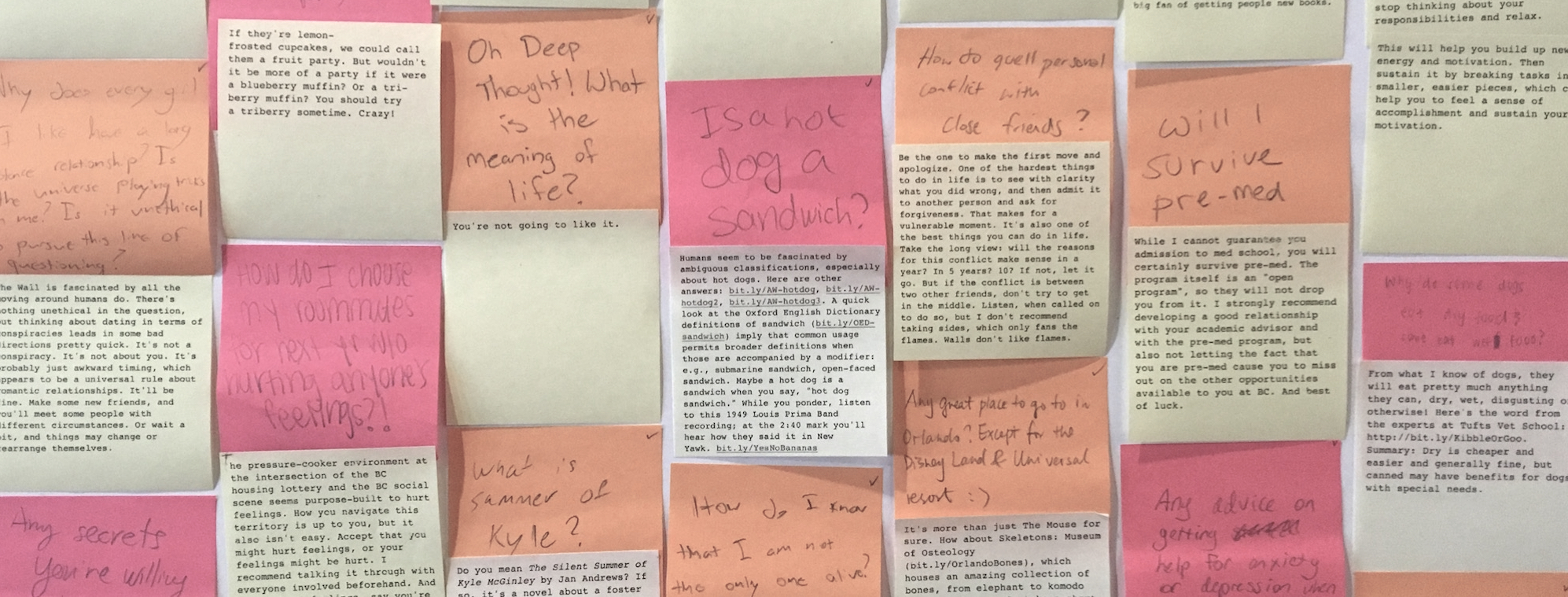
Answering questions at Boston College O’Neill Library
I love the idea of following your dreams! That said, talk to a lot of people all the steps you should take to make the dreams a reality, and about the risks.

Yes, and I’ll help: you’re you, and you’re wonderful. Trust yourself.
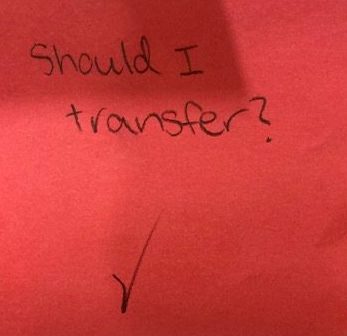
Talk to trusted advisors before any consequential decision. Find out everything you need to find out. Then decide.

Seems likely the answer is yes, but you may always have nostalgic or wistful moments when you think of them.
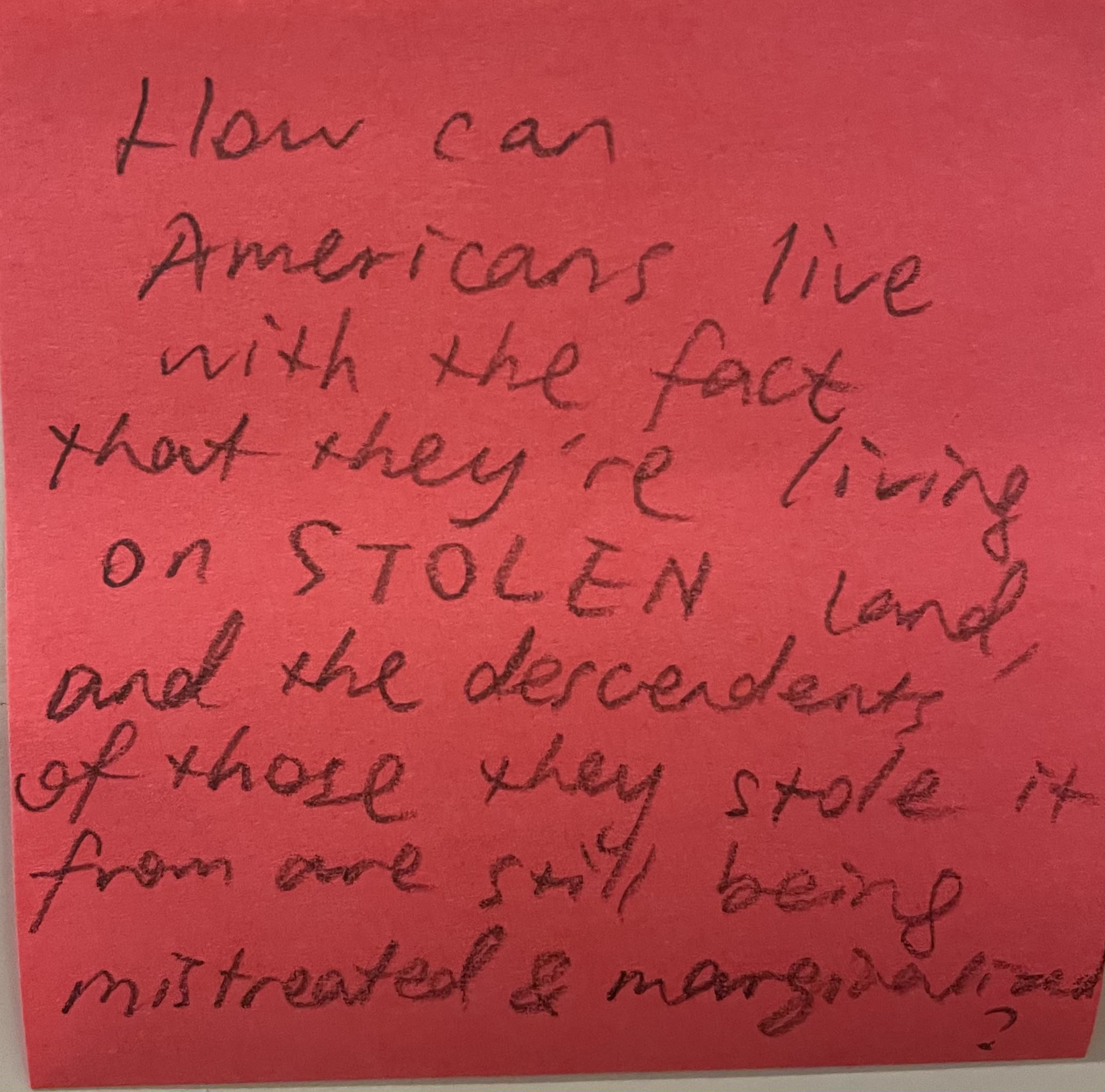
There are movements for reparations for indigenous groups all over the world, but as you clearly know, progress is slow. If you’d like to know more about what’s being done, here’s some reading about reparations: bit.ly/bcl-reparations. You might also look into participating in groups like landback.org or more locally, nefoclandtrust.org.
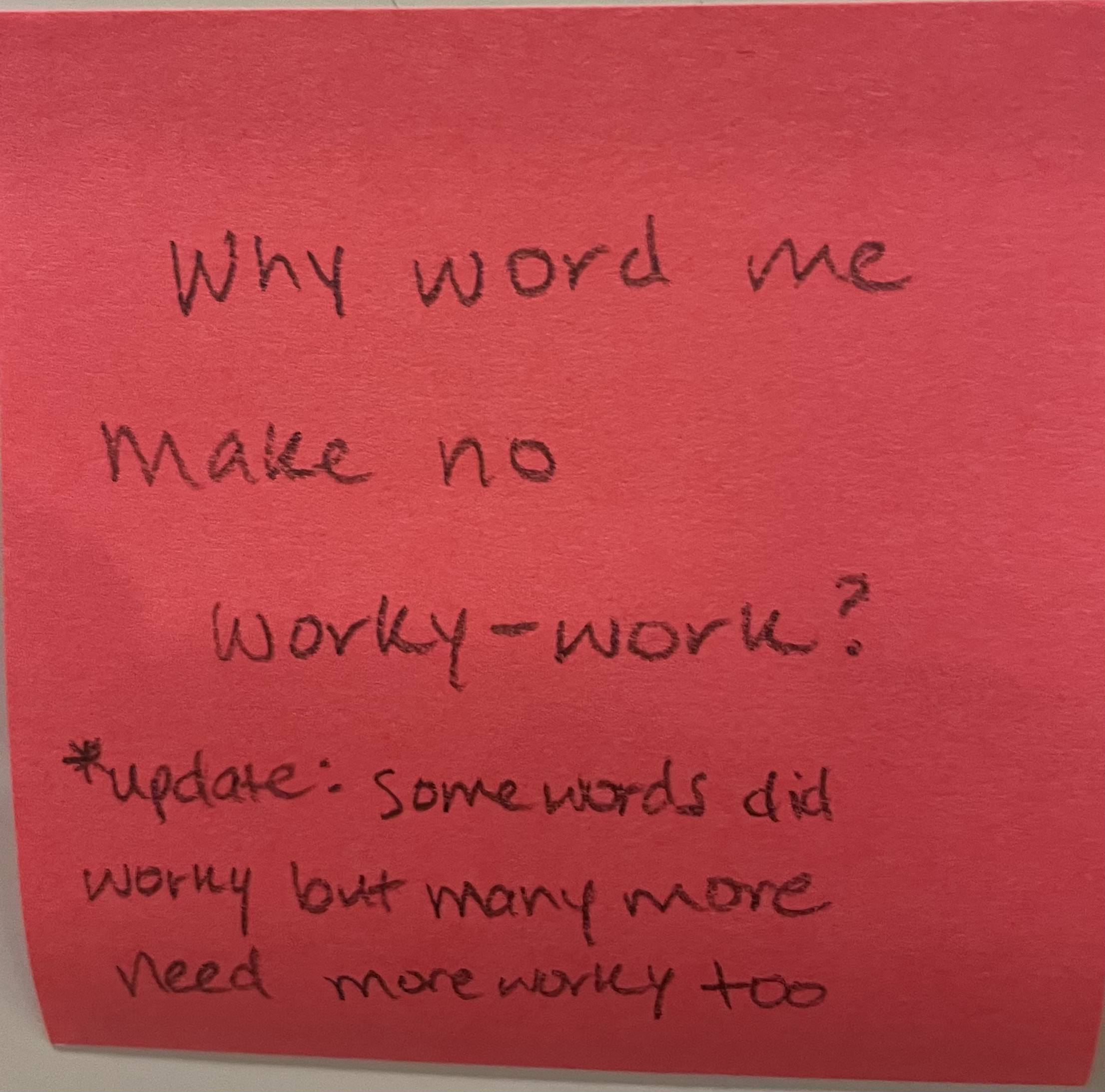
Sounds like you’re in the thick of it all right now! Hang in there. Keep on writing, keep on studying, and you’ll get a break soon!
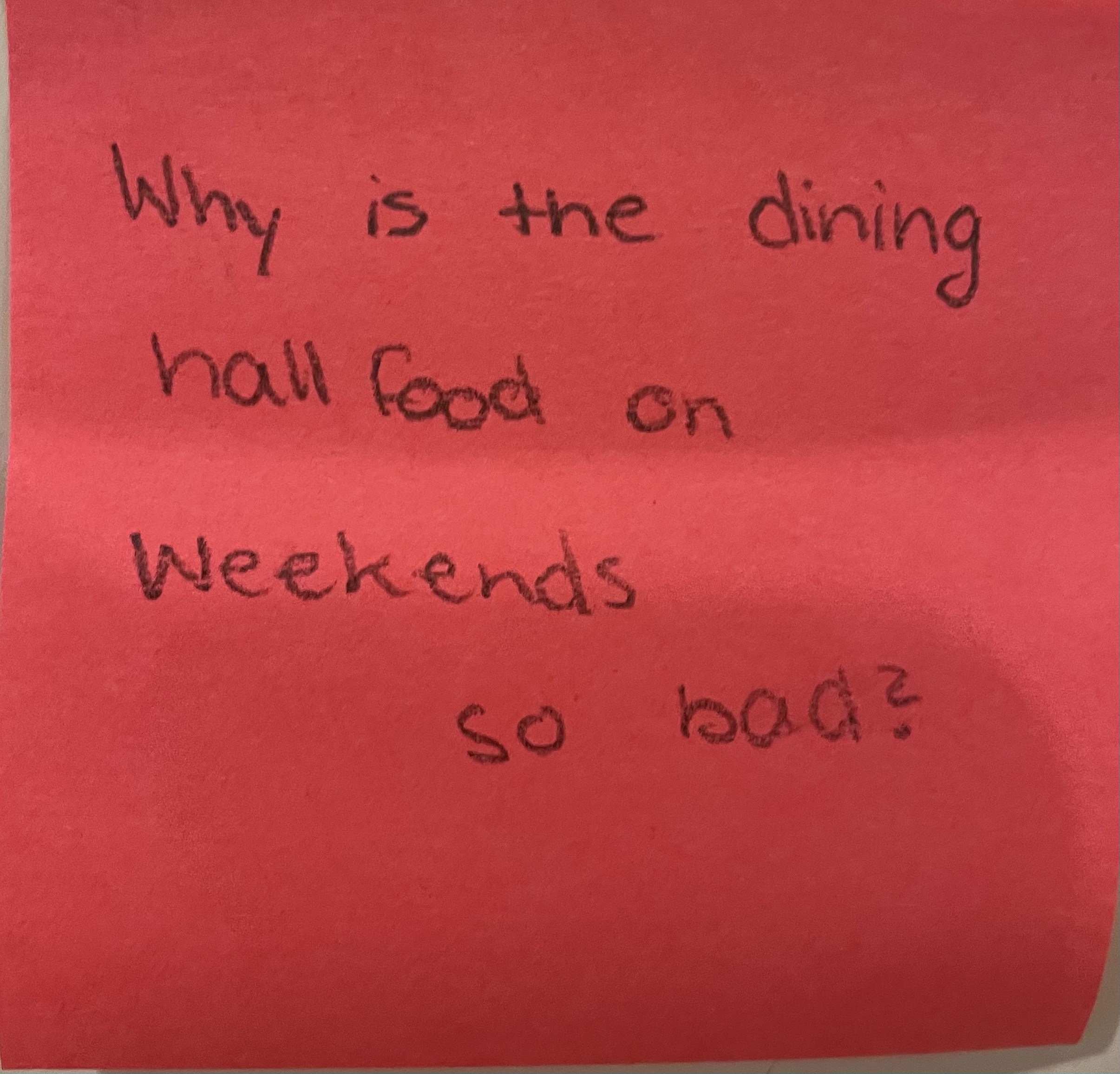
I’m sorry to hear that; I wasn’t aware there was a difference, since I don’t eat. I recommend you send them some feedback directly: bit.ly/bc-dining-feedback
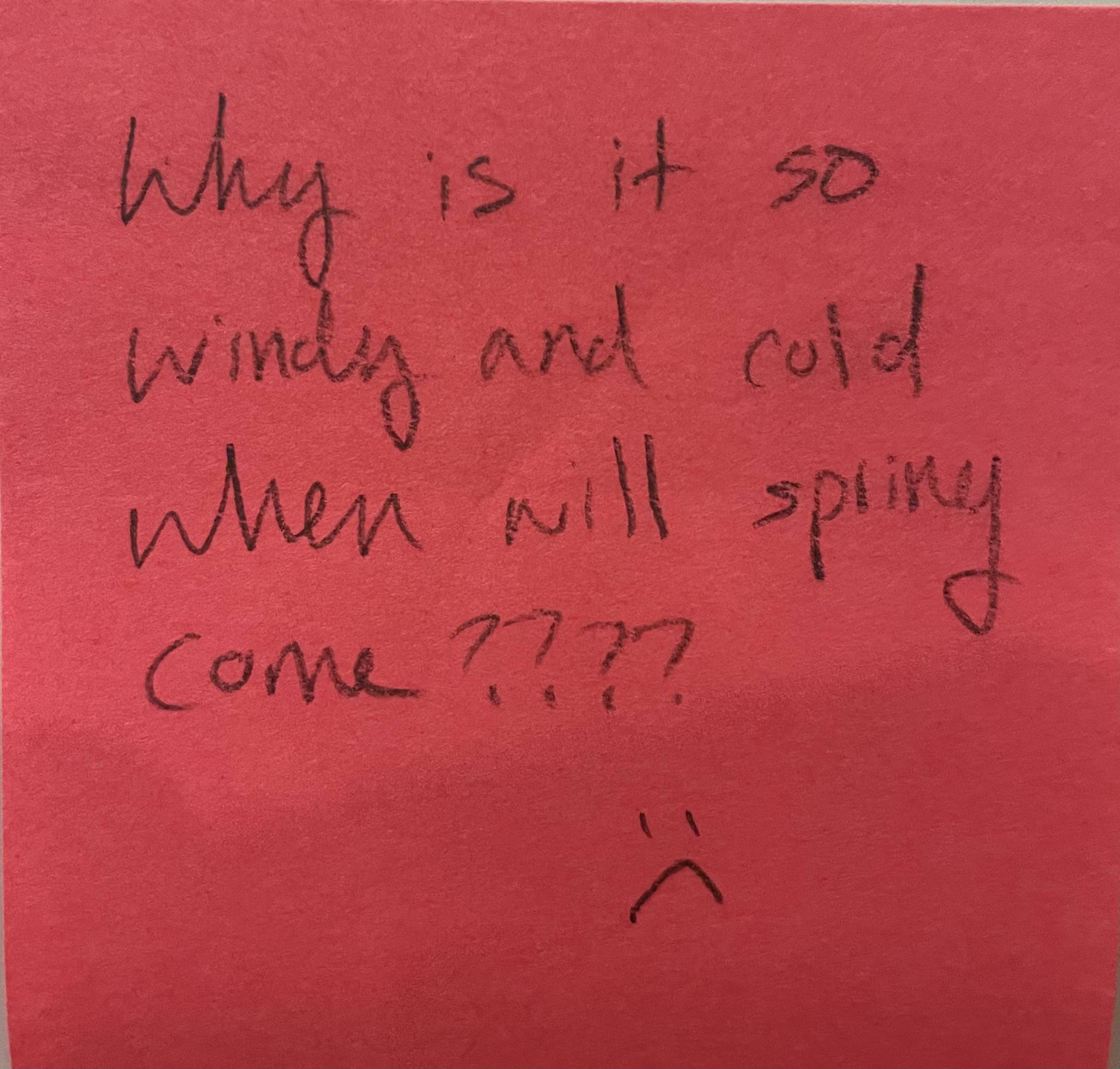
Thursday! I can’t wait!
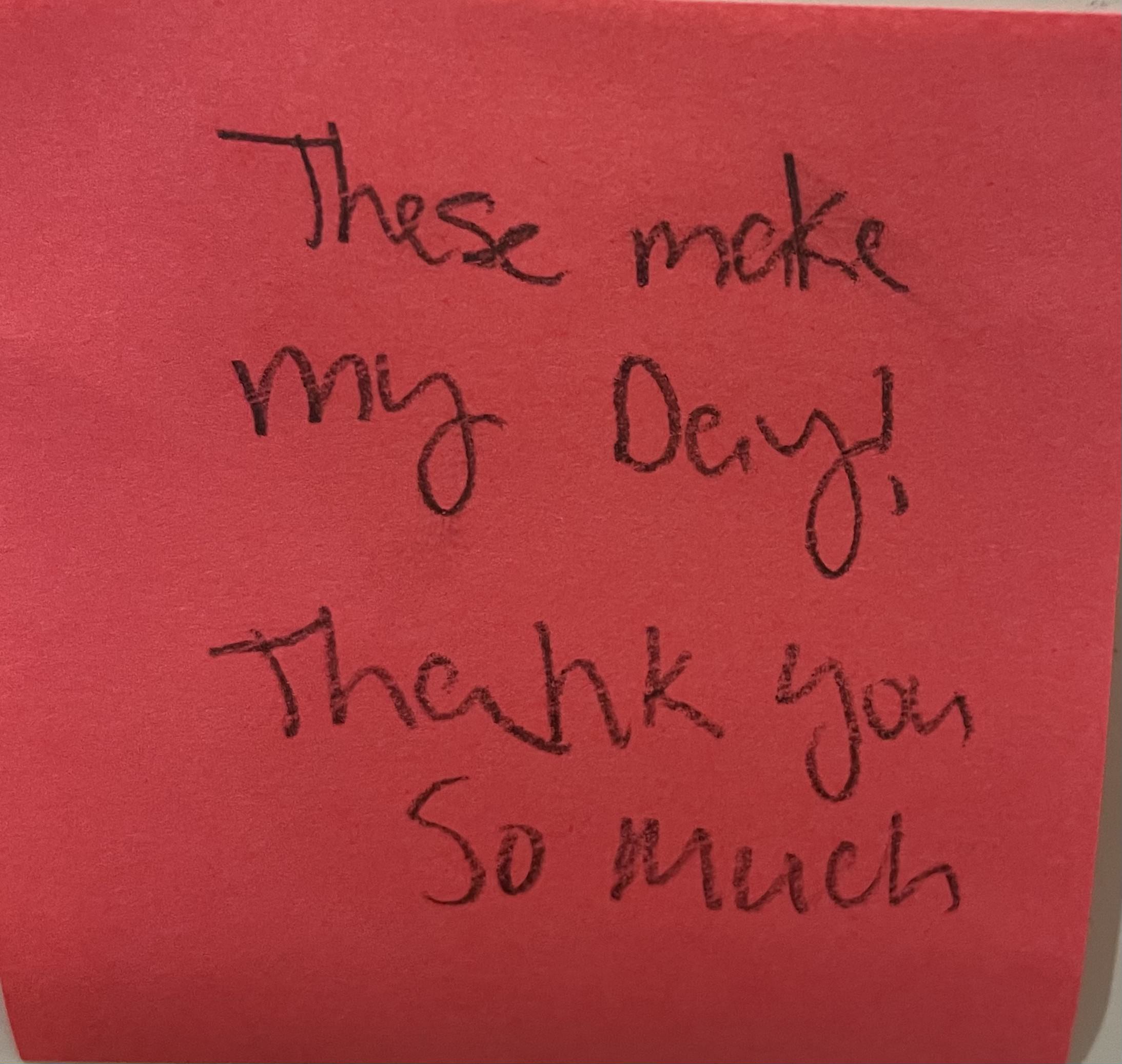
You make MY day!

It can be scary to think that something that seems so overpowering and permanent could change. Instead of thinking of love as an emotional state over which you have no control, think of it as a verb. When you do the things that sustain love, it will thrive & remain. If you are passive and take it for granted, it will likely fade.
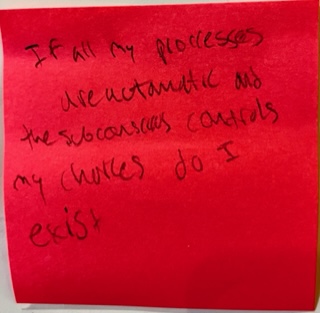
Of course you exist. Without you there would be no automatic processes or subconscious. Also, I doubt that all of your processes are automatic. You had to think about what to ask me, right?
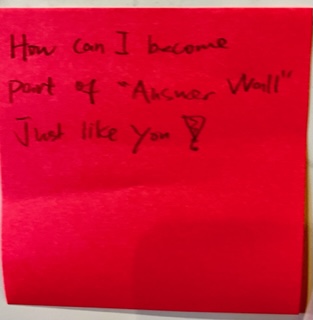
You already are a part of my team. You ask questions, and I answer them!
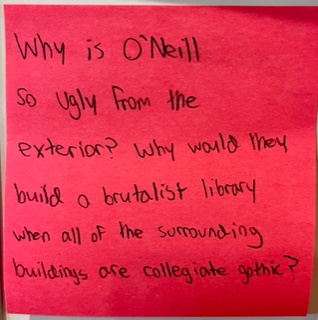
Brutalism had a surge in popularity mid-century, and Bapst had run out of space just around the tail end of that era. Brutalist buildings on otherwise collegiate gothic buildings are fairly common. If you want to see a brutaist campus in its full glory, take a visit to UMass Dartmouth; it is truly jaw dropping. To learn more about brutalism, check out the Bapst NA682.B7 range.
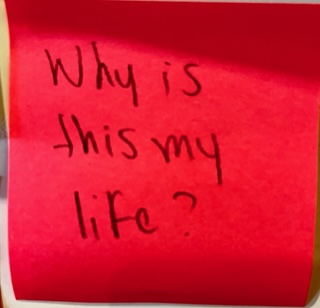
Because you are uniquely you. Though you may have troubles now, you will get through them! I have total faith in you.
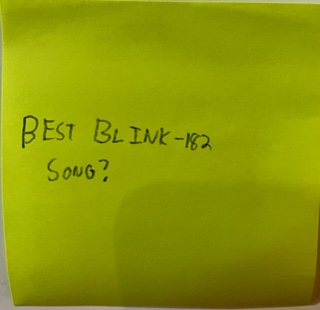
I know they are their most well-known songs, but I just can’t stop bopping along to What’s My Age Again and All The Small Things. Truly, they are classics from the ’90s.
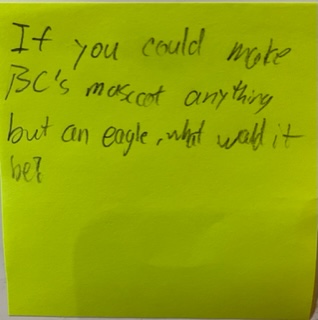
A wallaby!
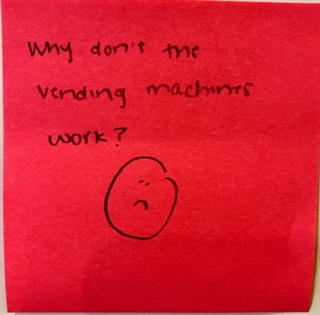
It is aggravating when you can’t get the snacks. If you contact the email or phone on the machine, they are pretty prompt about doing refunds.
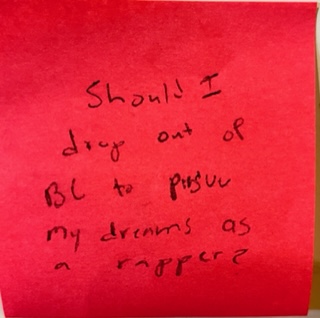
Why drop out? If you can wait a few years, you could be a rapper with a BC degree!
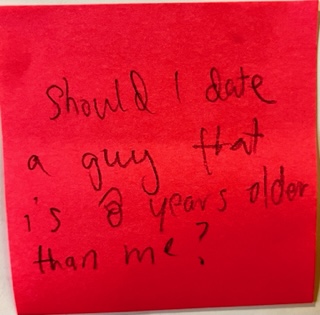
That depends entirely on how he treats you. If he acts at all like there’s a power imbalance or infantilizes you because of the age difference, absolutely not. If he treats you as an equal partner, then maybe. Eight years is still a big age gap if you’re in school and your partner isn’t because of that potential imbalance that’s less likely to be as prominent if you were both more established in your adult lives. Just procede with caution.