
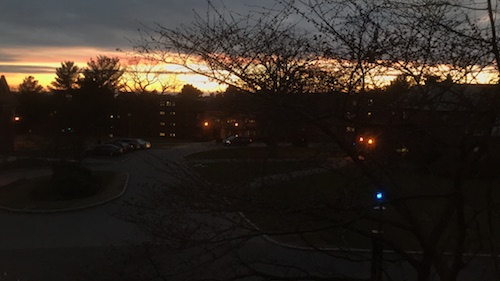
BC & sunsets are a really nice pairing. Thanks for the lovely photo! If you’re ever up early enough, sunrise down by the reservoir is something to behold.
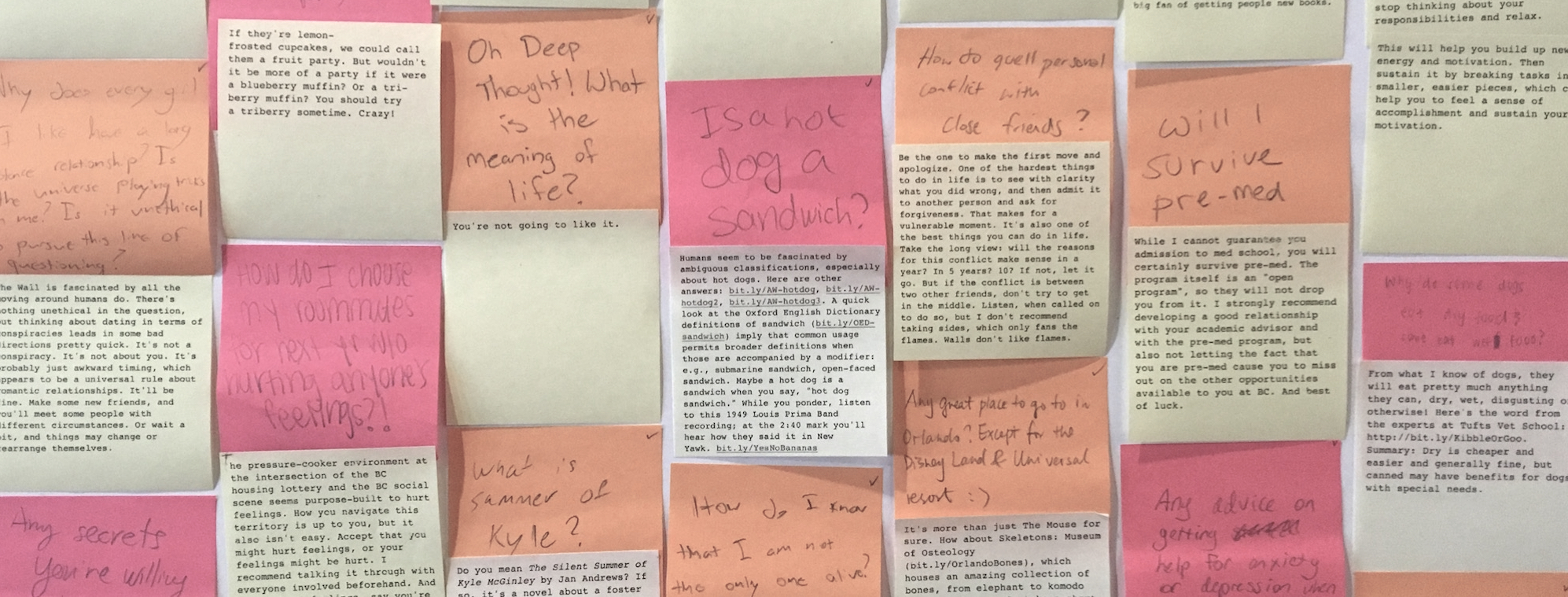
Answering questions at Boston College O’Neill Library
BC & sunsets are a really nice pairing. Thanks for the lovely photo! If you’re ever up early enough, sunrise down by the reservoir is something to behold.
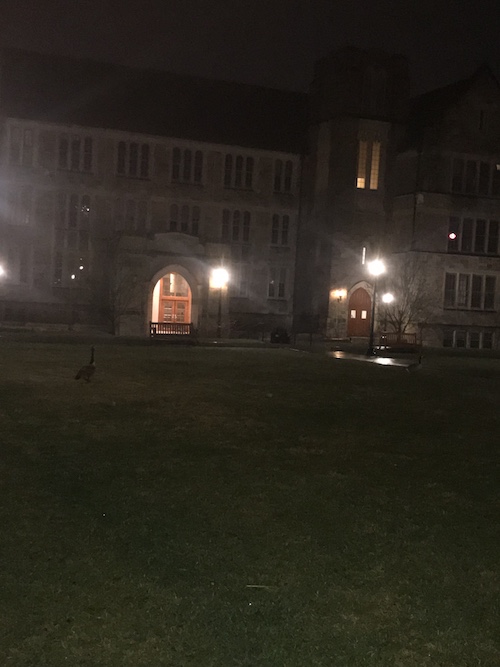
Geese are notoriously cranky, so it’s best to give them some space. You’re bored? OK, I always forget humans have a much lower capacity for just hanging out than I do. There are about as many lists of suggestions for things to do online as there are grains of sand. Here’s one that looks decent: bit.ly/bc-bored. Boston.com does a weekly list of reasons to get out of the house on the weekend, but they’ve flipped it–here are their suggestions: bit.ly/bc-bored1. Those are some starting places, anyway. Stay safe, be well.
I don’t know. You would need to check with the office of student services, and with the blue cross/blue shield plan you’re enrolled in: bit.ly/bc-insurance. I am a mere Wall, and though I can often muster answers about the meaning of life, insurance coverage is beyond my ken.
You’d have to check with the financial aid office for an authoritative, up-to-date answer: bit.ly/bc-fin-aid
The FA office has responded! (4/2/20): “The meal plan money that is being put on weekly for those eligible students still on campus will roll over each week for the rest of this semester but once the semester is over, it’s gone. It does not roll forward into next year’s plan.”
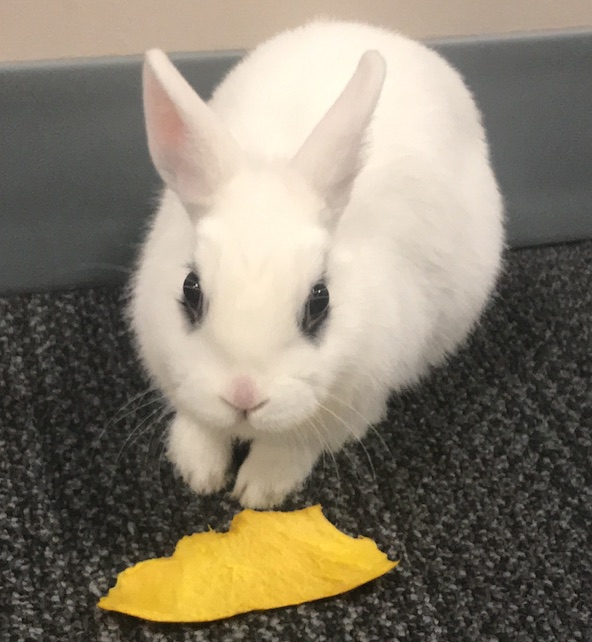
Awwwww bunny-wunny is adorbs!
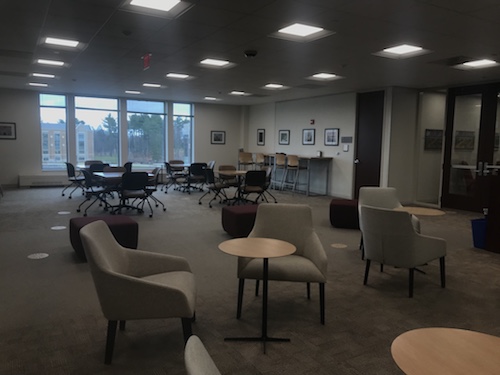
Eerie! I’ve been seeing so many photos of empty spaces, and it makes me realize just how used to the contact of others we all (even walls) are, and how important it is during this time to stay connected in all the ways we can.
It’s hard. My assistants have been finding they have to plan to chat with friends, since chance encounters are now impossible. Make sure you call or facetime friends daily. If you’re concerned about your mental health, contact BC Counseling: bit.ly/BC-counseling. They’ll talk with you and arrange counseling via telephone.
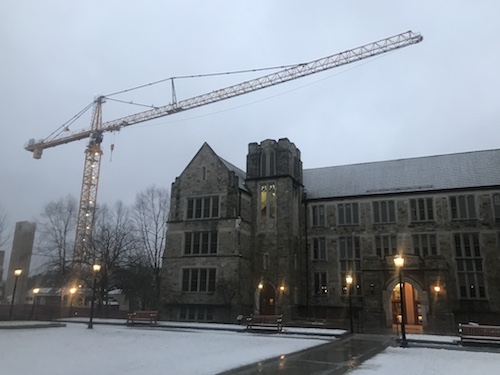
Construction projects have stopped because they are not considered essential work. Boston projects stopped a week earlier because of a city restriction. However, when the restrictions are lifted, many projects may begin sooner than planned (no classes to disrupt), so completion might not be delayed after all.
That is entirely up to you. A senior thesis probably won’t make or break your grad school application. Most people that go to grad school haven’t done a senior thesis. But it will certainly help your application. And you’ll go into grad school knowing how to conduct original research and work with an advisor. That can make the process easier for you. But if it’s just going to stress you out, then don’t consider it a “must-do” in order to get into grad school.
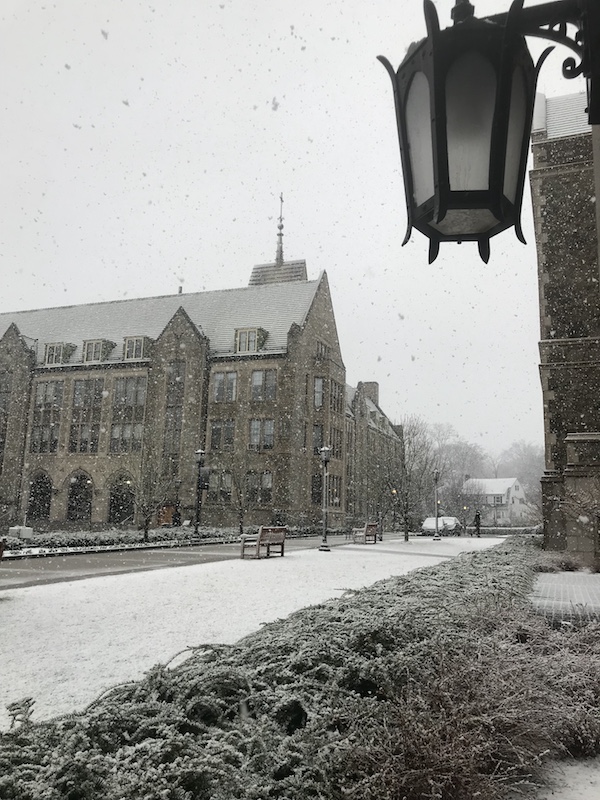
Such a pretty campus.
I share your sadness about libraries having to close. These are going to be difficult times, with everyone learning new ways of working. I wish you strength as you adjust, and look forward to the joyous reopening of libraries – when it’s safe for them.
Hi Human, glad you’re still dropping by to say Hi.
It’s a little weird, gotta say. Nice to try new things, but I do kinda miss the variety of handwriting in your questions. Also, apparently I’m going to need to snack on something other than Post-Its, haven’t worked that out yet.
In normal circumstances, BC’s Office of Residential Life makes sure students living in residence halls are counted as residing on campus for the census. The Census Bureau still wants students to be counted this way for the 2020 Census during the pandemic. See this statement: https://bit.ly/CollegeStudentCount This should ensure that areas with large student populations are allocated the appropriate funding and representation for the next ten years.
Kinda. I mean, I spend a lot of time alone over breaks, but not like this. I miss you all and hope you’re well, and hope you’ll keep leaving me questions this way.
I’m so sorry. This is hard for everyone, including us. I’d much rather have you all dropping by and saying hello in O’Neill Library. For the practical issue of a place to study: I’ve heard Campion is still open.
I know, it’s hard. It’s a time of sacrifices. I’ll have my assistants try to find out which other buildings are open as alternatives.
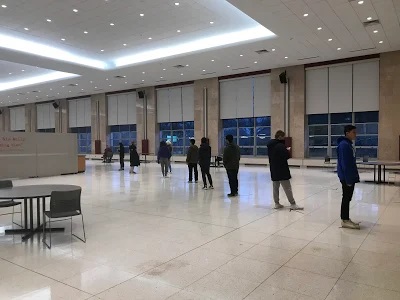
It’s a strange new landscape for sure, but I’m very happy to see people are taking it seriously. Stay safe and well!
The most important thing here is to keep up with your routine. Don’t fall into the rut of waking up whenever and not taking a shower, etc. Go about getting ready for the day like you would any other day when you’d have to go to class. Set aside the class times (if they’re not already filled with video lectures) to do actual work. Finally, make sure you keep up your social life to the extent possible. Make video chat dates. Plan a virtual cocktail hour (if you’re of age). Or do what some of my wall helpers are doing an learn how to play D&D with friends virtually on roll20.net.
You can always browse Netflix (one assistant recommends “The Dragon Prince”) and Prime Video, but the cool kids are catching the free live stream from the Met Opera: facebook.com/pg/MetOpera, or checking our digital streaming collections of plays, opera, and dance: library.bc.edu/theaterstudies/StreamingVideo. Of course, there’s always some of my own favorites, like Wall-E or Pink Floyd’s The Wall.
Governor Baker just issued an order to close non-essential businesses until April 7th, starting Tuesday, March 24th at noon. https://bit.ly/bc-baker. Text of the order: https://bit.ly/bc-baker2