
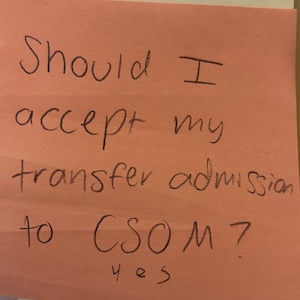
Not to over simplify this, but if you would like to be in the business school then, yes, you should accept. If you don’t then don’t.
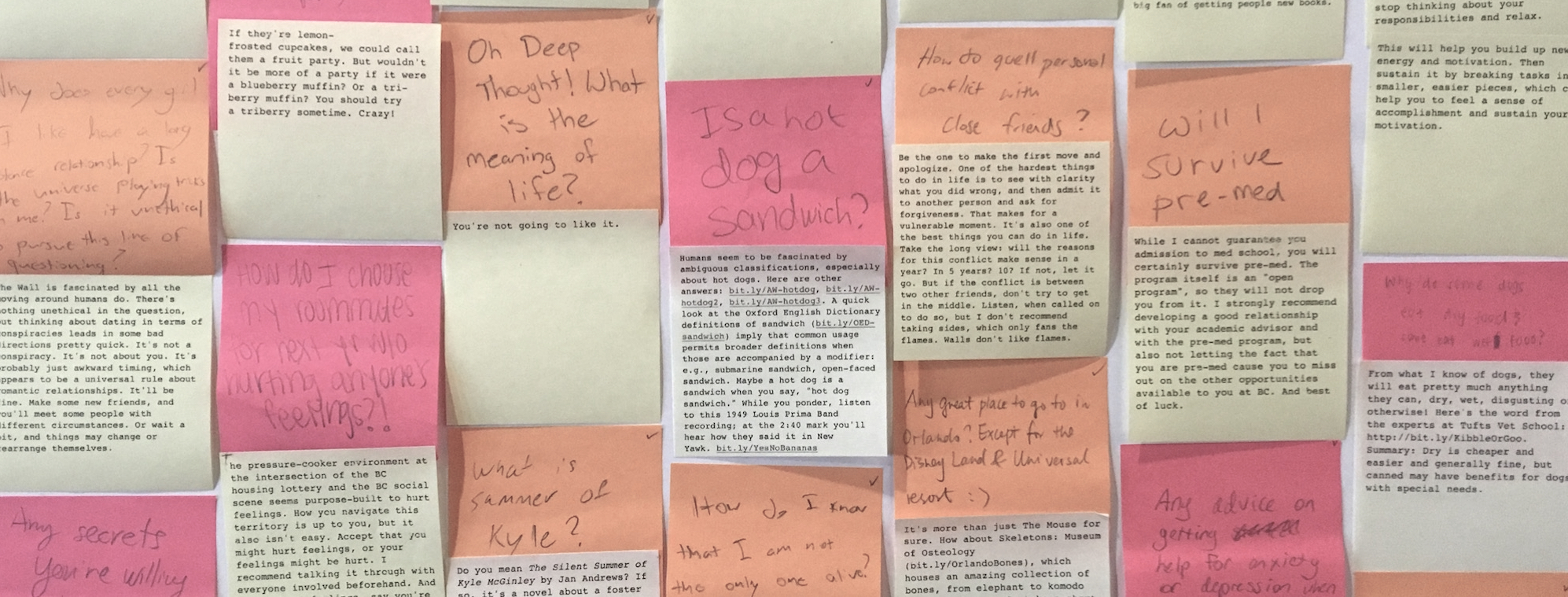
Answering questions at Boston College O’Neill Library
Not to over simplify this, but if you would like to be in the business school then, yes, you should accept. If you don’t then don’t.
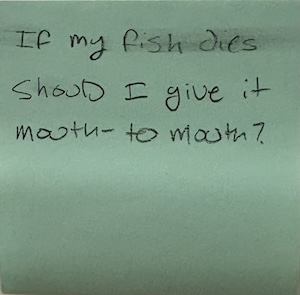
If your fish is out of water, it’s possible to save it, but there are no mouths involved; fish primarily take in oxygen through their gills. Here’s a quick how-to for resuscitating a fish: bit.ly/fish-cpr.
Feeling good, Lewis!
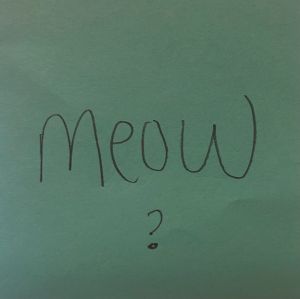
Meow! Purrrr…Rowr!
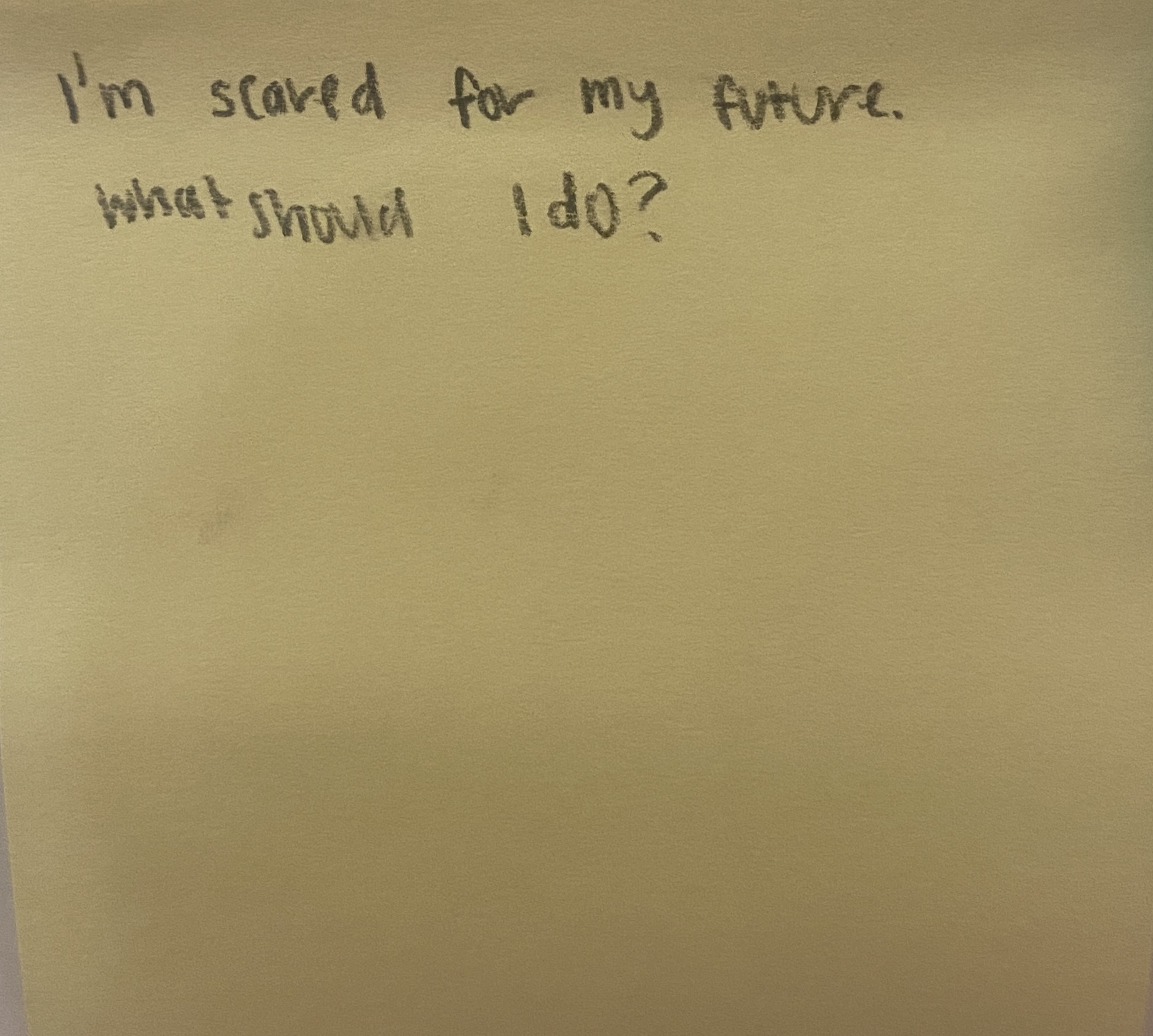
Ask for help! Your best protection in scary times is other humans. Depending on what you’re fearful about, talking to family and friends can be helpful by itself. Maybe you need some financial advice, or career advice. Maybe a doctor or psychologist or a religious authority. If you’re a BC student, you can start with the Student Wellness office and they can help direct you from there: https://bit.ly/4k98aCG
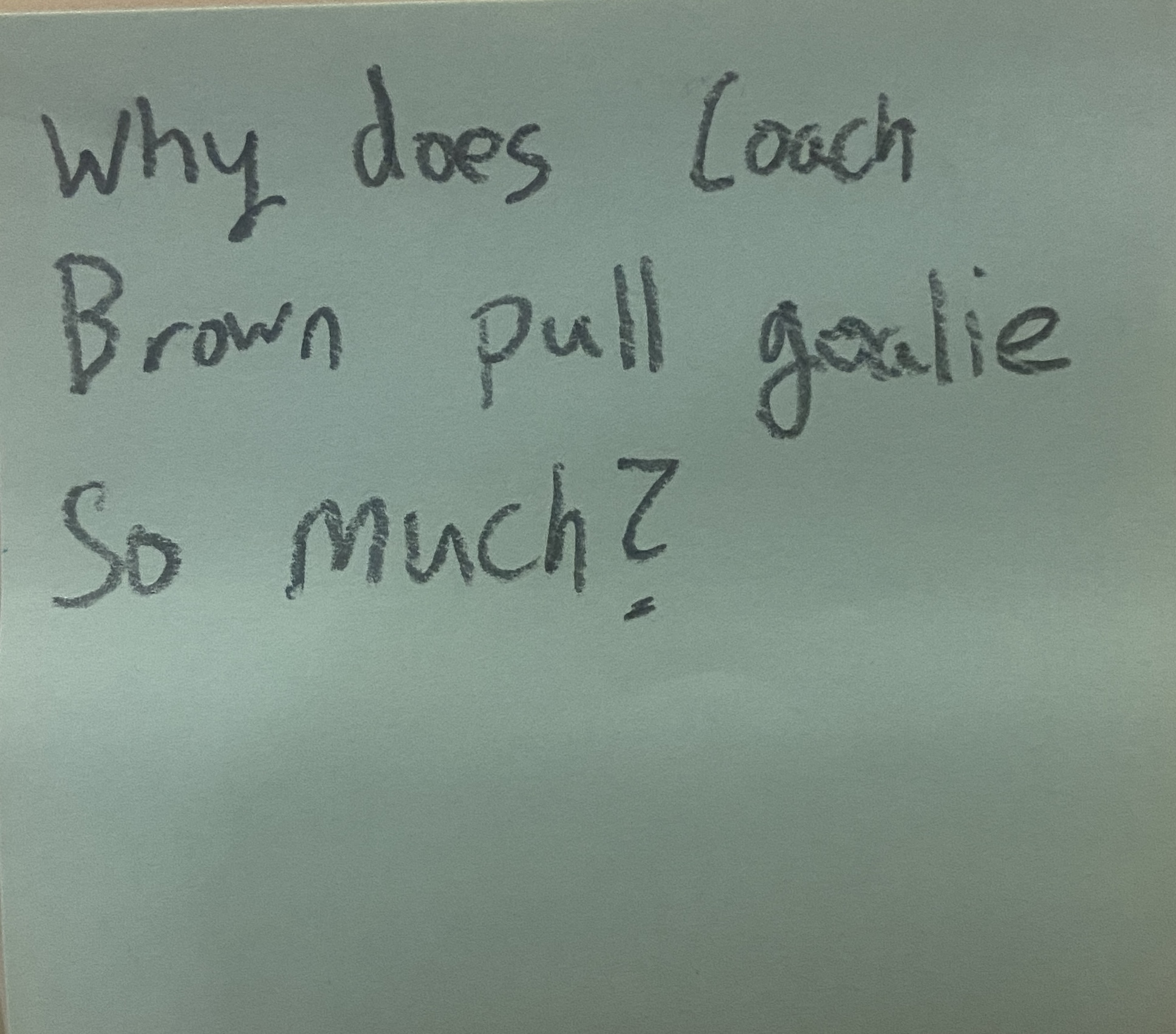
There’s some research that says teams pull too late to get the maximum advantage from a 6-5 power play, but no idea if it’s that or just a higher tolerance for the risk of an empty net. https://bit.ly/48ecbTn
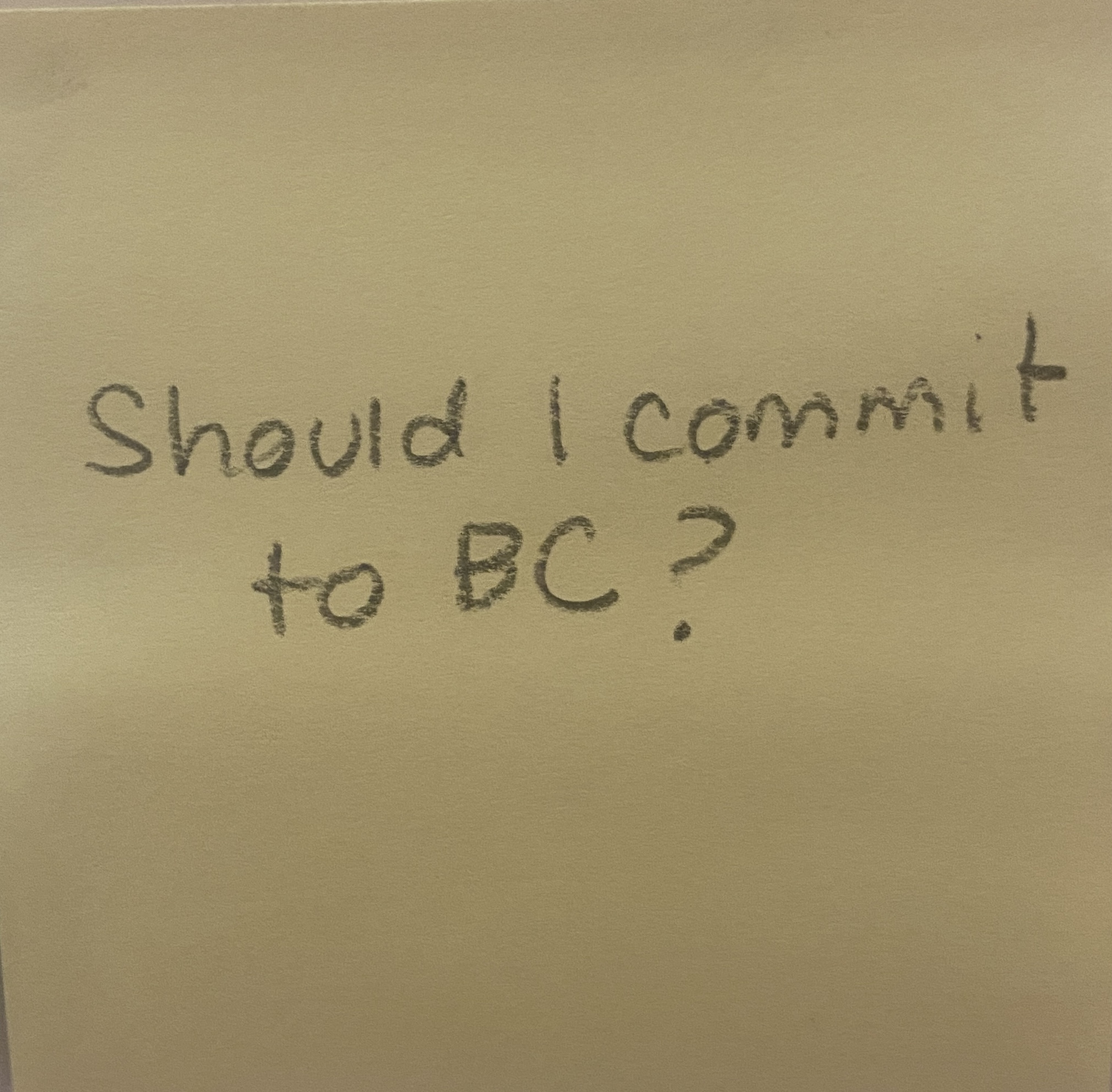
I’d love it if you did! But you also need to do what’s best for you. If BC has what you want (academically, socially, spiritually) and it falls within your budget, by all means commit!

So many good options. Ask me a different day and I’ll say something different, but today is a good day to appreciate our friends the ibises.

That is such a real feeling, you have all my sympathy. Here’s one of the secrets: taking care of yourself so that you can finish the project is part of the project. I highly recommend focusing on getting good sleep, eating reasonably good meals, and doing a couple of other things that make you feel in control and on top of things. Then take another look at your project after a couple of days and see if it looks less daunting. And ask for help if you need it! Your adviser, your friendly librarians, the folks at the Connors Learning Center, we’re all here to help you through.
Bapst Services and Collections are managed by a team that divides its time between the Bapst and O’Neill Libraries. Collection Development is overseen by my talented colleague Nina Bogdanovsky, while library services are managed by Lida Supernaw (Daytime) and Morgan Wilson (Evening), with support from other colleagues at O’Neill and a team of student employees. Bapst currently has no Head Librarian due to a decision made several years ago to shift collection development responsibilities to O’Neill.
According to snow depth maps, probably northern Vermont, New Hampshire, Maine, and most of Quebec.

I polled BC Libraries staff. They say these are all worth your attention:
I am quite fond of the chocolate bars from L.A. Burdick.
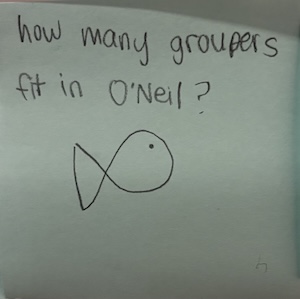
A red grouper, a common Atlantic Ocean fish, has an average length of 2ft. Assuming their max girth is 1/4 of their length, the typical area of a grouper would be 1 sq. ft. According to the most recent BC Fact Book, O’Neill has 206,910 sq ft (bit.ly/FactBook2425). So, you could hypothetically fit 206,910 groupers in O’Neill, though they’d require way too much water and zero bookshelves.

“My Mother is a fish.”
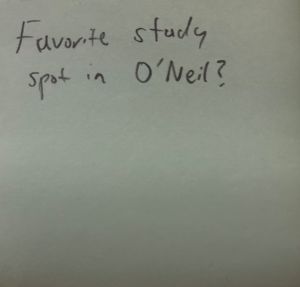
The Spot. IYKYK.
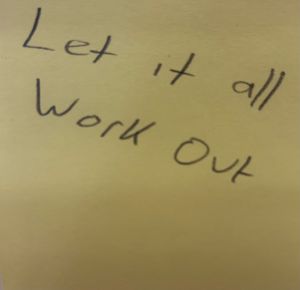
I want that too.
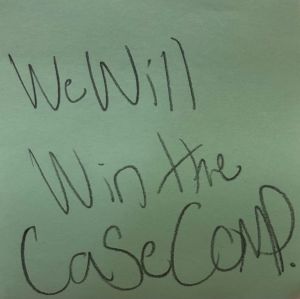
Love the confidence! I believe in you.
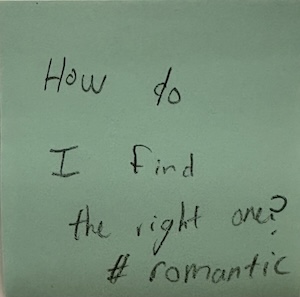
Love has a great capacity to find you when you’re being yourself and not worrying about it. It also tends to have awkward timing. Be patient, be yourself. There are many possible someones for everyone.
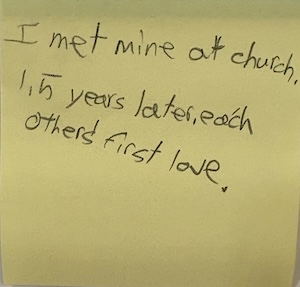
Solid choice.
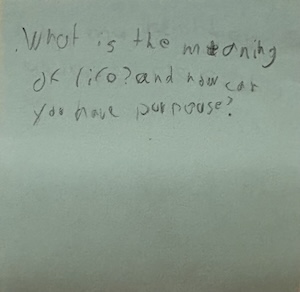
This question is a pressing one for most people, so it’s a great service to them that you asked. I wish I had an answer. The difficulty is it’s different for everyone. Perhaps rephrase the question: how can I find my purpose and meaning? Father Himes (1947-2022), a beloved professor of theology at BC, said to ask yourself three key questions: What brings me joy? What am I good at? To whom can I be of service? Your meaning and purpose is where those three overlap. Here’s his famous lecture: bit.ly/himes-3key