
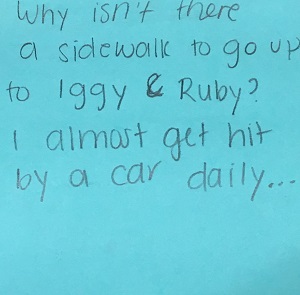
Why isn’t there a sidewalk to go up to Iggy & Ruby? I almost get hit by a car daily….
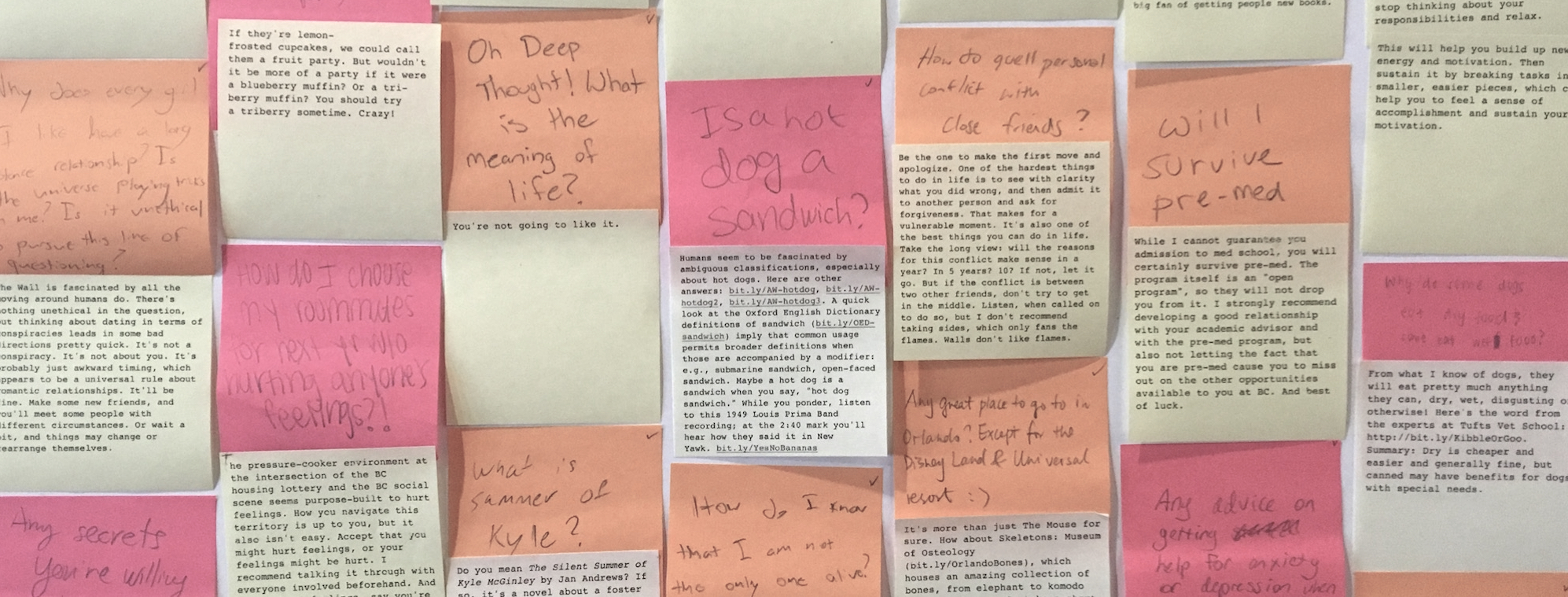
Answering questions at Boston College O’Neill Library
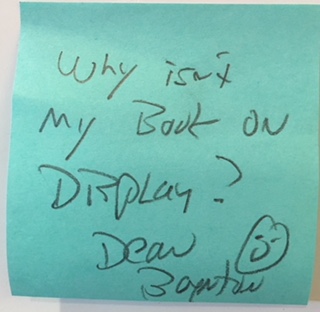
Just waiting for your question, Dean Boynton. You will find your book “Virtuoso Teams” just in front of me on the Answer Wall display (the print copy of “The Idea Hunter” is checked out). P.S. Will my acolytes be in an updated version of “Virtuoso Teams”; I think they are most deserving … ?
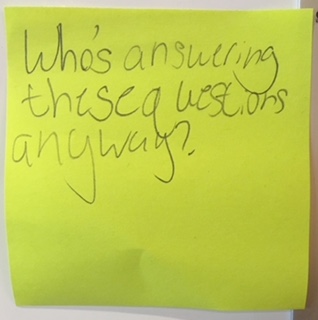
I, the Wall, am answering them. With a lot of help from my friends in the libraries and around campus. There’s more detail about how we do that at my online home: library.bc.edu/answerwall
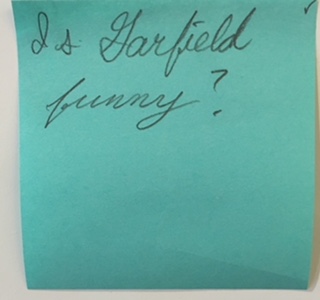
I suppose it depends on who you ask. One of my acolytes reports that he used to think so, but now doesn’t. Garfield Minus Garfield, on the other hand, is pretty dark. http://bit.ly/bc-garfield. President Garfield, maybe also not so funny. bit.ly/bc-president-garfield
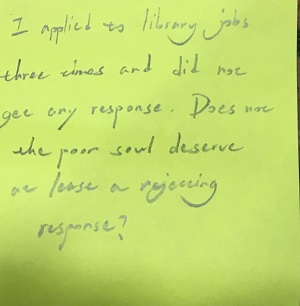
Unfortunately, it is a case of waiting to be called for an interview. Due to the number of applications, the library is unable to respond to each candidate. Rest assured that supervisors are actively reviewing applications and trying to identify students whose availability and experience are a match for their needs. Hang in there.
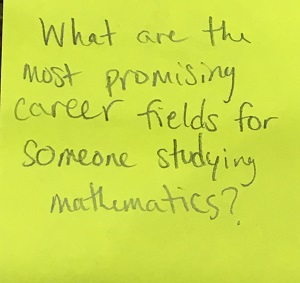
See the Mathematical Association of America (MAA) Career Resources Center (bit.ly/MathishCareers) for inspiration on what to do with your math degree. Also this site has a lot of information (bit.ly/MoreMathCareers). Or check out the book 101 Careers in Mathematics (O’Neill Stacks QA10.5 .A15 2014). The great thing is that you can bring your math skills to any future path.
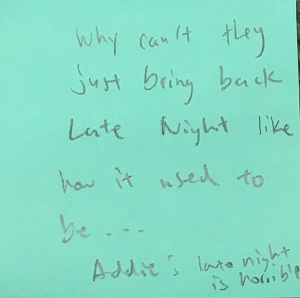
I’ll pass your feedback along to Dining Services. If you’d like to do so yourself with more specificity about how or why Addie’s late night is horrible, use this form: bit.ly/BC-Dining.
The way to contact any celebrity is through their agent. It’s hit-or-miss, of course. Amy Poehler is represented by William Morris Endeavor (WME): wmeentertainment.com/expertise/comedy/. According to another website (www.wrhammons.com/poehler-agent-contact.htm), her agent there is Sharon Jackson, but I have no idea how authoritative that website is.
Habits can be hard to break, but if you want to change something about yourself, make sure you’re doing it for the right reasons. What does being dramatic do for you? Are there other ways you can get that effect? Here’s a solid outline of an approach you could try: bit.ly/bc-drama
BC’s Campus Ministry would be happy to help with that. There are lots of Catholic-oriented programs, naturally, but also programs and groups for other faiths as well. The office is next to the Eagle’s Nest in McElroy, or you can visit them on the web: bit.ly/BC-ministry
The Wall isn’t sure if you mean employees as snacks, or snacks for employees. The former is alarming; I would not recommend it. As for the latter, some of my helpers spend too much time and money with my buddies, the lovely vending machines on Level 1. There’s a wide variety, and you don’t have to leave O’Neill. Pro tip from anonymous expert snacker: Level 2, across the atrium, turn right: This one has Twizzlers!
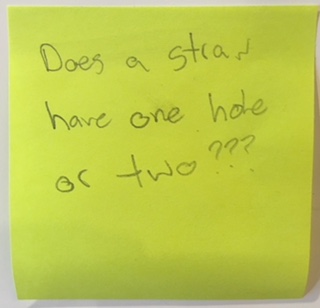
One – think donut. See the topological proof here: bit.ly/oneholestraw. For more topological math games, see bit.ly/topomathgames
![What is the meaning of life? [Answered] The meaning of life is that you are someone else's meaning of life :)](https://library.bc.edu/answerwall/wp-content/uploads/2018/09/aw090418-7.jpg)
Truth is I can’t tell you what your meaning of life is; I think we all need to figure it out for ourselves. Did you know that a search of the phrase “meaning of life” in the library catalog produces 244 results? A lot of people are trying to figure this out. This online book provides one short introduction (bit.ly/meaningoflifeintro). And this book provides some different perspectives for you to think about (bit.ly/meaningoflife2). And then there’s always the Monty Python take on it: PN1997 .M424 2003 (but checked out right now, alas).
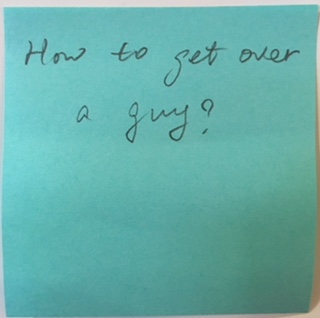
First, go ahead and listen to songs about heartbreak and cry. Then find completeness within yourself. Options: friends, religion, mindfulness meditation, therapy, lots of ice-cream… or just learning to enjoy who you are and what you do without looking for validation from other people. You have my sympathy. If you really can’t shake it, counseling services have some better suggestions: bit.ly/BC-counseling
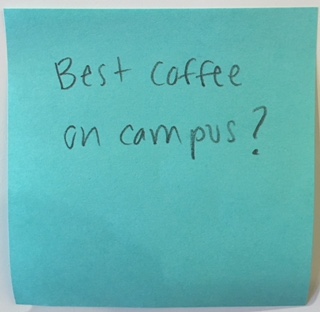
As a wall, I’ve never had coffee myself. But my human friends make a good argument that the Chocolate Bar in Stokes has the best coffee, followed closely by Hillside.
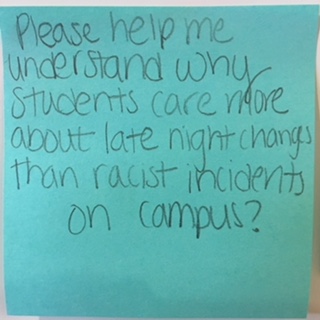
It must be frustrating when others don’t share or voice your pressing, legitimate concerns. But people can also care about a multitude of things. That person who cares about late-night might also care about racist incidents, but might need this very reminder. Nor is their concern for late-night necessarily universal. Keep having conversations about what’s important to you, and find people who help amplify those concerns. I know it can be tiring. To keep your faith in humanity, focus on the times that earn your faith more than the times that don’t.
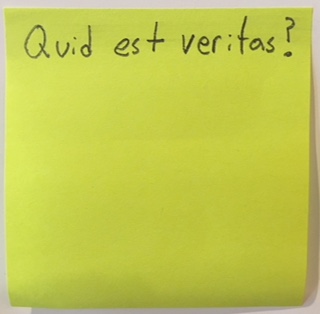
According to the poet, truth is beauty, and that is all you need to know. bit.ly/bc-keats
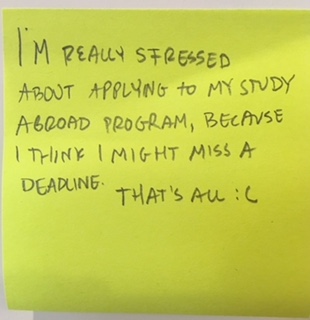
Hang in there! Breathe! There is a lot going on at the beginning of the semester and it can be difficult to find the time for everything. I understand there is a Study Abroad Fair on Sept. 12 (Conte Forum, 6-8 pm), where you will be able to speak with program reps, faculty, and returning students. If you can make this event (put it in your schedule now!) perhaps their advice and guidance on the process would ease some of the stress. Hopefully, things will calm down a bit for you but if time management is a problem, you may want to seek some tips at the Connors Family Learning Center (just down the stairs and straight ahead). <3
![[drawing of cat]](https://library.bc.edu/answerwall/wp-content/uploads/2018/09/aw090418-5.jpg)
Hello, Kitty!
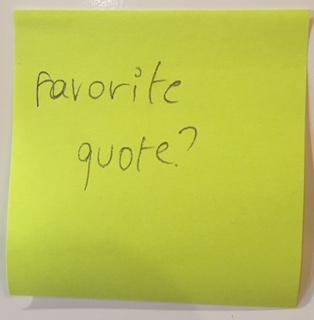
“There are four kinds of people in the world, Ms. Harper. Those who build walls. Those who protect walls. Those who breach walls. And those who tear down walls. Much of life is discovering who you are. ” P.S. Baber